
What Causes Cable Lugs to Overheat Under Load?
Oct. 20, 2026
Cable lugs typically overheat under load because of high electrical resistance at the connection, excessive current, incorrect component sizing, or inadequate heat dissipation. According to Joule’s law, heat generation increases with current squared and resistance ((P = I^2R)), so even a small increase in contact resistance can create significant heat at high current. To reduce this risk, select the correct WISETREE cable lugs and connectors for the conductor material, cable size, and installation method, then follow the specified installation and inspection procedures.
Quick Summary
Loose fasteners, poor crimping, oxidation, and incompatible metals can increase contact resistance.
Overloaded circuits and undersized cables or lugs can generate excessive heat.
Thermal imaging and voltage-drop measurements can help identify abnormal connections.
Heat-damaged lugs and conductors should be replaced or re-terminated correctly, not simply tightened and returned to service.
Correct product selection, proper installation, and preventive inspection help reduce overheating risks.
Why Do Cable Lugs Overheat When Current Flows?
A cable lug creates an electrical connection between a conductor and equipment such as a busbar, transformer, switchgear, or circuit breaker. Ideally, the connection has sufficiently low resistance and can carry the intended current under the specified operating conditions.
When contact resistance rises, electrical energy is converted into heat at the connection point. The heat can damage insulation, discolor metal surfaces, weaken mechanical components, and accelerate oxidation. Continued overheating may eventually cause connection failure, equipment downtime, or fire.
The relationship between current, resistance, and heat explains why a connection that appears acceptable at low load may become dangerously hot when current increases.
For example, if current doubles while resistance remains constant, the heat generated by resistance increases fourfold. This is why connection quality becomes particularly important in high-current power distribution systems.
What Are the Main Causes of Cable Lug Overheating?
1. Loose Bolted Connections
A loose connection is a common cause of localized overheating. When the fastener does not provide the required clamping force, the effective electrical contact between the lug and terminal surface may decrease.
Potential causes include:
Insufficient tightening during installation.
Incorrect tightening torque.
Vibration or mechanical movement.
Damaged threads or unsuitable fasteners.
Incorrect assembly of the terminal connection.
A loose joint may develop a hotspot even when the cable itself is correctly sized. Repeated heating and cooling can also contribute to connection deterioration.
How to prevent it: Follow the equipment or connector manufacturer's installation instructions and specified torque. Do not assume that tightening a hot connection will solve the problem; inspect for damaged surfaces, distorted hardware, and heat degradation before returning the circuit to service.
2. Incorrect Crimping or Tool Selection
Compression cable lugs depend on the correct combination of lug design, conductor size, crimping die, and installation tool. An unsuitable combination can leave the conductor inadequately compressed or damage the conductor strands.
Common installation problems include:
Using a lug designed for a different conductor size.
Selecting an incompatible crimping die.
Applying an incomplete or incorrect crimp sequence.
Stripping too much or too little insulation.
Cutting, breaking, or failing to insert conductor strands correctly.
These defects can increase resistance inside the crimp barrel and reduce the mechanical reliability of the connection.
How to prevent it: Match the lug to the conductor specification and use the tool and die recommended for that product. Follow the prescribed crimping sequence and inspect the finished termination according to the applicable installation procedure.
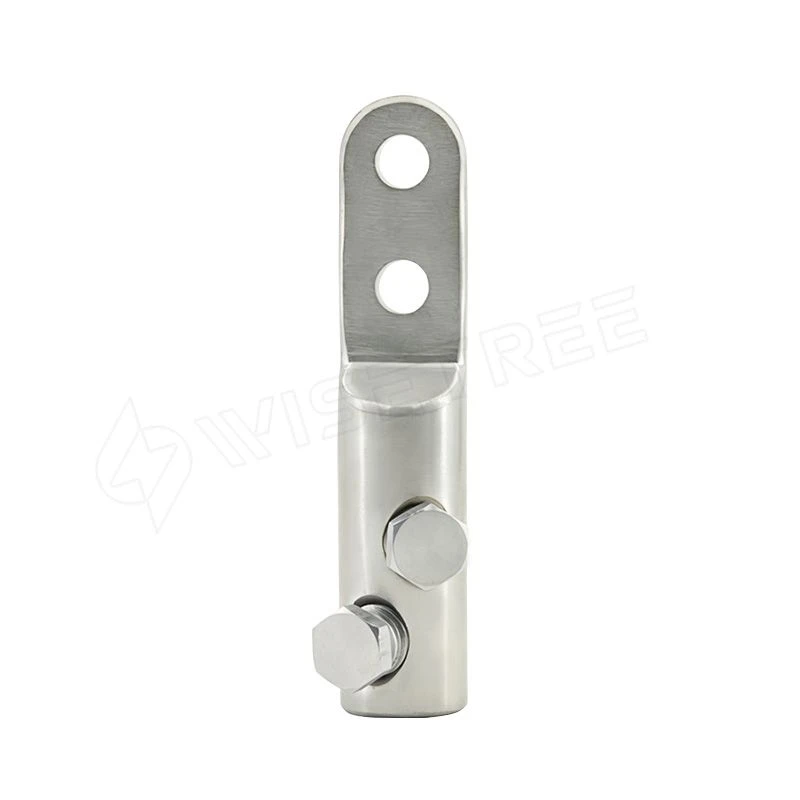
For applications requiring bolted rather than compression installation, compare the requirements of WISETREE mechanical cable lugs and connectors before selecting a suitable connection method.
3. Corrosion and Oxidation
Moisture, salt, industrial contaminants, and unsuitable storage conditions can contribute to corrosion on electrical contact surfaces. Oxide layers or other deposits may interfere with electrical contact, depending on the materials and operating environment.
Aluminum conductors require particular attention because their surface oxide can affect connection performance if the connector and installation process are not designed for the application.
Warning signs include:
Visible corrosion or unusual discoloration.
Deposits around the contact interface.
Localized heating that worsens over time.
Evidence of moisture entering the enclosure.
How to prevent it: Choose connection products suitable for the environment and follow the manufacturer's surface-preparation and corrosion-protection instructions. Do not apply grease, contact compounds, or cleaning chemicals indiscriminately; use only products approved for the specific connection.
4. Incompatible Copper and Aluminum Connections
Copper and aluminum conductors have different electrical and material properties. Connecting them directly without an appropriate transition solution can create reliability problems, particularly where moisture and temperature cycling are present.
Thermal expansion differences, surface oxidation, and unsuitable contact materials can contribute to increased resistance over time.
Where an aluminum conductor must connect to a copper terminal or busbar, a correctly specified bimetallic cable lug may be appropriate.
Before selecting a product, confirm:
The conductor material and cross-sectional area.
The material of the equipment terminal.
The required mounting dimensions.
The connector's intended application and installation procedure.
Any applicable project standards or approval requirements.
See the WISETREE terminals and connectors range to compare copper, aluminum, bimetallic, and mechanical connection options. The correct choice depends on the actual connection design, not simply the appearance of the lug.
5. Excessive Current or Incorrect Component Sizing
A connection can overheat even when installation quality is acceptable if the circuit operates outside the component's permitted conditions.
Potential causes include:
Current exceeding the cable's allowable ampacity.
A lug that is unsuitable for the conductor or operating conditions.
An incorrectly sized cable.
Unexpected increases in equipment demand.
Unbalanced loads in a three-phase system.
In three-phase installations, an unbalanced load can increase current in individual phase conductors and may create excessive neutral current, depending on the load characteristics. The actual current distribution should be measured rather than assumed.
Cable and lug selection must account for more than nominal current alone. Ambient temperature, installation method, conductor material, enclosure conditions, and applicable derating requirements may affect the permissible operating current.
How to prevent it: Verify actual operating current, cable sizing, connector suitability, and system design. Do not select a lug solely because its physical dimensions appear to match the cable.
6. Poor Heat Dissipation
A connection may run hotter when heat cannot escape effectively. Enclosed switchgear, restricted ventilation, high ambient temperatures, and nearby heat sources can affect the temperature of electrical connections.
However, poor ventilation should not automatically be treated as the primary cause of a hotspot. If one lug is substantially hotter than comparable connections under similar operating conditions, a localized electrical or mechanical defect should be investigated.
How to prevent it: Follow equipment enclosure and ventilation requirements, maintain the specified installation clearances, and compare connection temperatures under comparable loads. Use the equipment manufacturer's specified washers, fasteners, and assembly arrangements rather than adding or removing hardware without approval.
How Can You Diagnose an Overheating Cable Lug?
Diagnosis should establish whether the problem comes from the connection, the cable, the load, or the surrounding operating conditions.
| Inspection method | What it can reveal | Important limitation |
| Thermal imaging | Localized hotspots and temperature differences | Results depend on load, emissivity, viewing conditions, and measurement technique |
| Voltage-drop testing | Excessive voltage drop across a connection under load | Requires suitable instruments and a qualified testing procedure |
| Current measurement | Overload or unexpected current distribution | Current alone does not establish whether the lug is defective |
| Visual inspection | Corrosion, discoloration, damaged insulation, or deformation | Some internal crimp defects are not visible externally |
| Torque or connection checks | Installation issues and mechanical defects | Must follow the manufacturer's safe inspection procedure |
Use Thermal Imaging to Identify Hotspots
Infrared thermography can help locate connections that operate at unusually high temperatures. For meaningful comparisons, inspect similar connections under comparable load conditions and consider the emissivity of the surfaces being measured.
A thermal image identifies a temperature pattern; it does not prove the underlying cause. Further inspection and electrical testing may be necessary.
Measure Voltage Drop Across the Connection
A qualified technician can measure the voltage drop across a connection under an appropriate operating load. An unexpectedly high drop compared with the design requirements or comparable connections may indicate excessive resistance.
Measurements must be performed using suitable equipment and safe procedures. Do not attempt live testing without the necessary qualifications, protective measures, and authorization.
Check Load Current and Operating Conditions
Measure the current in the affected conductor and compare it with the circuit design and the applicable cable and connector ratings. Also consider ambient temperature, load duration, phase balance, and changes in operating demand.
A lug that becomes hot only at peak load may indicate a sizing or loading issue, but the connection itself should still be inspected.
How Should You Fix an Overheating Cable Lug?
The correct corrective action depends on the identified cause. Electrical connections that have overheated should not be returned to service until the fault has been assessed and corrected.
Isolate the circuit safely. Have a qualified person de-energize the equipment, apply the required lockout/tagout procedure, and verify the absence of voltage before working on the connection.
Inspect the lug and conductor. Check for discoloration, melted insulation, deformation, corrosion, damaged strands, and evidence of arcing. Severe heat damage may extend beyond the visible contact area.
Replace damaged components. Do not reuse a lug with structural damage, degraded plating, or other defects that compromise its suitability. Cut back damaged conductor sections where appropriate and verify that the remaining conductor is fit for re-termination.
Correct the connection method. Use the specified lug, compatible crimping die and tool, or approved mechanical installation procedure. Prepare contact surfaces only as instructed by the manufacturer.
Check the fasteners and mounting surface. Inspect the terminal, threads, contact faces, and required hardware. Tighten fasteners to the specified torque using the approved procedure.
Verify the circuit rating. Confirm that cable size, lug selection, current demand, and operating conditions are compatible. Correct overloads or design issues instead of replacing the lug alone.
Test before returning to normal operation. Complete the required electrical and mechanical checks, then monitor the connection under appropriate operating conditions. Document results where the installation or maintenance procedure requires it.
If a connection has melted, arced, or caused insulation damage, a simple cleaning or tightening operation is not sufficient evidence that it is safe.
How Can Buyers Select Cable Lugs That Reduce Overheating Risk?
Preventing overheating begins before installation. Purchasing teams, electrical contractors, and equipment manufacturers should confirm the product's compatibility with the actual application.
| Selection factor | What buyers should confirm | Why it matters |
| Conductor material | Copper, aluminum, or a specified transition connection | Helps avoid material incompatibility |
| Cable size | Correct cross-sectional area or conductor range | Supports proper contact and termination |
| Connection type | Compression or mechanical | Determines the required installation method |
| Mounting dimensions | Stud hole, palm dimensions, and available space | Helps ensure proper fit and contact |
| Operating conditions | Current, temperature, environment, and duty cycle | Determines application suitability |
| Standards and documentation | Required specifications, approvals, and inspection records | Supports project compliance and verification |
A low purchase price does not compensate for an unsuitable connector or an installation process that cannot be controlled. Buyers should also consider repeatability, product traceability, availability of technical documentation, and compatibility with the installation tools used by their teams.
When requesting a quotation, provide the conductor material, cable size, connection type, mounting dimensions, operating conditions, quantity, and any project-specific standards. Drawings or samples are useful when a standard catalogue product does not clearly match the application.
Frequently Asked Questions
Can an oversized cable lug still overheat?
Yes. A lug that is too large or otherwise mismatched to the conductor may not form the intended connection. The result depends on the lug design and installation method, so both conductor compatibility and product specifications must be checked.
Does a hot cable lug always mean the cable is overloaded?
No. The circuit may be operating within its intended current range while a loose, corroded, or poorly crimped connection generates localized heat. Measure current and investigate the connection rather than assuming overload is the only cause.
Is it safe to tighten a hot cable lug while the system is running?
No. Do not attempt to tighten or repair an energized connection unless a specific procedure has been authorized and can be performed by appropriately qualified personnel under the required safety controls. The normal approach is to isolate the circuit and verify that it is safe to work on.
Should a discolored cable lug be reused?
Not without assessment. Discoloration may indicate excessive temperature, oxidation, or other damage. A qualified person should inspect the lug, conductor, and mating terminal and replace components where their integrity or suitability is uncertain.
How often should cable lug connections be inspected?
Inspection frequency depends on the equipment manufacturer's instructions, operating environment, load profile, and applicable maintenance requirements. High-vibration, high-temperature, or corrosive environments may require more frequent condition monitoring.
What information is needed to select a replacement cable lug?
Provide the conductor material and size, connection type, mounting dimensions, operating conditions, and relevant project requirements. Also identify any heat damage and the reason for replacement so the new product and installation procedure address the original problem.
Request Cable Lug and Connector Support from WISETREE
Persistent cable lug overheating should be treated as a reliability and safety issue, not simply a maintenance inconvenience. Correct diagnosis, compatible materials, proper sizing, and controlled installation are all essential to reducing connection resistance and preventing repeat failures.
WISETREE supplies copper, aluminum, bimetallic, and mechanical cable connection solutions for power distribution and industrial electrical applications. To discuss your requirements, contact WISETREE at wisetree@wisetreepower.com or visit WISETREE's terminals and connectors page. Include your cable specifications, connection dimensions, application details, and required quantity to support product matching and quotation.
More News
-

-

Oct. 20, 2026
-